

Choosing a new smartphone can be confusing, especially when hundreds of models offer different specifications, features, and price ranges. Every year, smartphone manufacturers introduce new technologies, improved cameras, faster processors, and innovative designs.
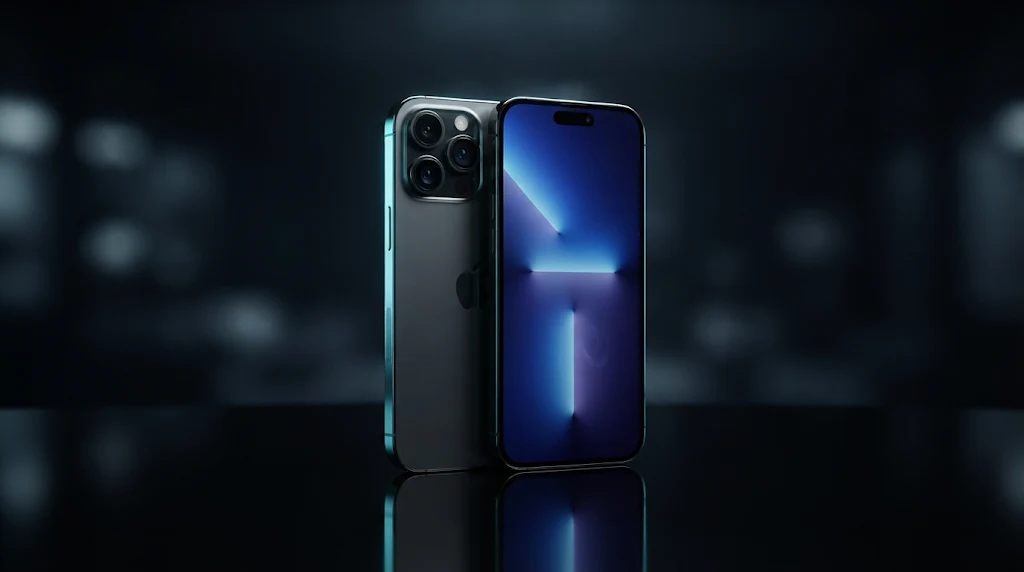
However, buying the most expensive smartphone does not necessarily mean getting the best device for your needs.
Whether you are a student, professional, gamer, photographer, or everyday smartphone user, selecting the right device requires careful consideration.
A good smartphone should offer reliable performance, excellent battery life, a quality display, useful features, and long-term software support.
In this guide, we will explain how to choose the best smartphone in 2026 and which features you should consider before making a purchase.
1. Choose a Smartphone Based on Your Budget
The first step in choosing a smartphone is deciding how much money you are willing to spend.
Smartphones are available across different price categories, from affordable entry-level devices to premium flagship models.
Understanding your budget will help you narrow down your choices and avoid spending money on unnecessary features.
Budget Smartphones
Budget smartphones are suitable for everyday activities such as browsing the internet, using social media, watching videos, messaging, and making calls.
Look for a reliable processor, sufficient RAM, a decent display, and good battery life.
Mid-Range Smartphones
Mid-range smartphones often offer a balance between price and performance.
They may include better cameras, faster processors, improved displays, and additional software features.
These devices are suitable for people who want good everyday performance without paying flagship prices.
Flagship Smartphones
Flagship smartphones usually offer advanced processors, premium materials, sophisticated camera systems, high-quality displays, and additional features.
They are designed for users who want powerful performance and a premium experience.
Buying Tip: Choose a phone based on your actual needs rather than purchasing a premium device simply because it has impressive specifications.
2. Check the Processor and Performance
The processor is one of the most important components of a smartphone.
It handles applications, system operations, gaming, multitasking, and many other activities.
A powerful processor can provide smoother performance and better responsiveness.
What Should You Look For?
- Processor generation and architecture.
- CPU performance.
- GPU capabilities.
- Power efficiency.
- Thermal management.
- Real-world performance reviews.
Popular mobile processor families include Qualcomm Snapdragon, MediaTek Dimensity, Apple A-series, and Samsung Exynos.
Different processor models offer different performance levels, so compare specific models rather than relying only on brand names.
Buying Tip: If you regularly play demanding games, edit videos, or use multiple applications, prioritize a processor with strong performance and good thermal efficiency.
3. Understand RAM and Internal Storage
RAM and internal storage play different roles in smartphone performance.
RAM temporarily stores information needed by active applications, while internal storage holds your photos, videos, applications, and documents.
How Much RAM Do You Need?
Your ideal RAM capacity depends on your usage.
- 4GB RAM: Basic smartphone activities.
- 6GB RAM: Everyday multitasking.
- 8GB RAM: More comfortable multitasking and gaming.
- 12GB RAM or more: Useful for demanding workloads and certain advanced applications.
These are general guidelines, not guarantees of performance. Software optimization and processor efficiency also matter.
How Much Storage Is Enough?
Consider these storage options:
- 64GB: Limited storage for basic use.
- 128GB: Suitable for many everyday users.
- 256GB: Better for storing more applications, photos, and videos.
- 512GB or more: Useful for heavy media users and content creators.
Buying Tip: If you regularly record high-resolution videos or download large files, consider a smartphone with at least 256GB of storage.
Also check whether the device supports expandable storage through a microSD card.
4. Evaluate Camera Quality
Smartphone cameras have become one of the most important features for many buyers.
Modern devices can capture detailed photos, record high-resolution videos, and provide advanced photography features.
However, camera quality is not determined by megapixel count alone.
Important Camera Features
Main Camera: The primary camera is generally used for everyday photography.
Ultra-Wide Camera: Useful for landscape photography, group pictures, and wider scenes.
Telephoto Camera: Available on selected devices and useful for optical zoom.
Front Camera: Important for selfies, video calls, and social media content.
Video Recording: Check supported resolutions, frame rates, stabilization, and microphone quality.
Other Things to Consider
- Image processing quality.
- Low-light photography.
- Autofocus performance.
- Optical image stabilization.
- Color accuracy.
- Portrait mode performance.
Buying Tip: Look for real-world camera samples and reviews. A smartphone with fewer megapixels can sometimes produce better images than a device with a higher megapixel count.
5. Check Battery Capacity and Charging Speed
Battery life directly affects how convenient a smartphone is to use.
A device with excellent performance but poor battery life may become frustrating, especially when you spend long hours away from home.
Most modern smartphones offer batteries with different capacities, charging technologies, and power-management features.
What Should You Look For?
- Battery capacity.
- Screen-on time.
- Charging speed.
- Power efficiency.
- Wireless charging support, if needed.
- Battery health management.
A battery capacity of around 5,000mAh is common in many smartphones, but actual battery life depends on the display, processor, software, network usage, and other factors.
Buying Tip: Do not judge battery performance by capacity alone. Read battery tests that reflect real-world usage.
6. Choose the Right Display
The display is one of the components you interact with every day.
Whether you are browsing websites, watching videos, reading articles, or playing games, screen quality can significantly affect your experience.
Popular Display Technologies
LCD: Generally found in more affordable smartphones. It can offer good viewing quality at a lower price.
OLED: Provides deep blacks, rich contrast, and vibrant colors.
AMOLED: A type of OLED display technology commonly used in smartphones.
Important Display Specifications
- Screen size.
- Resolution.
- Refresh rate.
- Brightness.
- Color accuracy.
- Outdoor visibility.
- Display protection.
A 90Hz or 120Hz refresh rate can make scrolling and animations feel smoother on supported devices.
Buying Tip: If you frequently watch videos or play games, prioritize display quality, brightness, and refresh rate.
7. Compare Android and iOS
Choosing between Android and iOS is another important decision.
Both operating systems offer different advantages, and the best choice depends on your preferences.
Android
Android is used by many smartphone manufacturers and offers a wide range of devices across different price categories.
Advantages:
- Wide selection of smartphones.
- Different price ranges.
- Flexible customization options.
- Multiple hardware choices.
- Broad application availability.
iOS
iOS is Apple’s mobile operating system, designed specifically for compatible Apple devices.
Advantages:
- Consistent user experience.
- Strong integration with Apple products.
- Regular software updates for supported devices.
- Well-integrated applications and services.
- Strong ecosystem features.
Buying Tip: If you already use several devices from Apple, an iPhone may integrate conveniently with your existing setup. If you prefer more hardware choices and customization, Android may be a better fit.
8. Check Software Updates and Security
Software support is an important factor that many smartphone buyers overlook.
A smartphone may have impressive hardware, but without regular software and security updates, its long-term value can decrease.
Before buying a device, check the manufacturer’s update policy.
Important Things to Check
- Operating system update commitment.
- Security update frequency.
- Manufacturer support history.
- Availability of software features.
- Privacy and security controls.
Some manufacturers provide several years of software and security support, while others offer shorter support periods.
Buying Tip: Choose a smartphone with a clearly stated update policy if you plan to use it for several years.
9. Consider Connectivity and Additional Features
Modern smartphones offer many connectivity features that improve everyday convenience.
Before purchasing, make sure the device supports the technologies you actually need.
Useful Connectivity Features
- 5G network support.
- Wi-Fi connectivity.
- Bluetooth.
- NFC.
- GPS and navigation.
- USB-C connectivity.
Additional Features
- Fingerprint sensor.
- Face recognition.
- Stereo speakers.
- Water and dust resistance.
- Dual SIM support.
- eSIM compatibility.
Not every feature is necessary for every user.
Buying Tip: If you travel frequently or use mobile payments, check network band compatibility, NFC support, and SIM options before purchasing.
10. Read Reviews and Compare Smartphones
After identifying your requirements, shortlist a few smartphones and compare them carefully.
Specifications alone do not always reflect actual user experience.
A smartphone may advertise an impressive camera system or powerful processor, but real-world performance can be different.
Where Should You Look for Reviews?
- Independent technology websites.
- Professional smartphone reviewers.
- Detailed camera comparisons.
- Battery performance tests.
- Customer feedback.
- Manufacturer specifications.
What Should You Compare?
- Overall performance.
- Camera quality.
- Battery life.
- Display quality.
- Build quality.
- Software experience.
- Price and warranty.
Buying Tip: Compare at least three smartphones within your budget before making a final decision.
Common Mistakes to Avoid When Buying a Smartphone
Many buyers focus on specifications without considering the complete smartphone experience.
Here are some common mistakes to avoid.
1. Choosing a Phone Only by Megapixels
A higher megapixel count does not automatically mean better camera quality.
2. Ignoring Software Updates
Long-term software support can be just as important as hardware performance.
3. Buying More RAM Than You Need
More RAM is not always necessary. Choose a capacity that matches your applications and usage habits.
4. Ignoring Battery Tests
Battery capacity does not always reflect actual battery performance.
5. Forgetting Warranty and After-Sales Support
Always check whether the device has reliable warranty coverage and accessible service options.
Final Thoughts
Choosing the best smartphone in 2026 is all about understanding your personal needs and comparing the features that matter most.
A powerful processor, reliable battery, quality display, capable camera, sufficient storage, and long-term software support are all important factors to consider.
However, the best smartphone is not necessarily the most expensive one. It is the device that provides the right balance of performance, features, reliability, and price for your everyday lifestyle.
Take your time, compare different models, read genuine reviews, and make an informed decision before purchasing.
What features matter most to you when buying a new smartphone: camera quality, battery life, performance, or display? Share your thoughts in the comments!
Frequently Asked Questions (FAQs)
1. What should I check first when buying a smartphone?
Start by checking your budget, processor performance, battery life, camera quality, display, storage, and software update policy.
2. How much RAM is enough for a smartphone in 2026?
For many everyday users, 6GB to 8GB RAM can provide a comfortable experience. Users with demanding workloads may benefit from more RAM.
3. Is a 5,000mAh battery good for a smartphone?
A 5,000mAh battery can provide good battery life, but actual performance depends on hardware efficiency, display settings, software, and usage habits.
4. Is Android better than iPhone?
Neither is universally better. Android offers a wider selection of devices and customization options, while iOS provides an integrated Apple ecosystem and a consistent experience.
5. How much storage should I choose?
128GB is sufficient for many everyday users, while 256GB or more is useful for people who store large amounts of photos, videos, games, and applications.
6. Does a higher megapixel camera mean better photos?
No. Camera quality also depends on sensor size, image processing, lens quality, stabilization, and software optimization.
7. How long should I keep my smartphone?
You can keep a smartphone for several years if it continues to meet your needs, receives security updates, and maintains acceptable battery and hardware performance.
Thanks for reading! Stay connected with us for more smartphone guides, technology tips, and gadget reviews.