

Imagine controlling your home lights with your voice, checking your security cameras from your smartphone, or adjusting the room temperature before you arrive home. These conveniences are no longer just futuristic ideas. They are part of modern smart home technology.
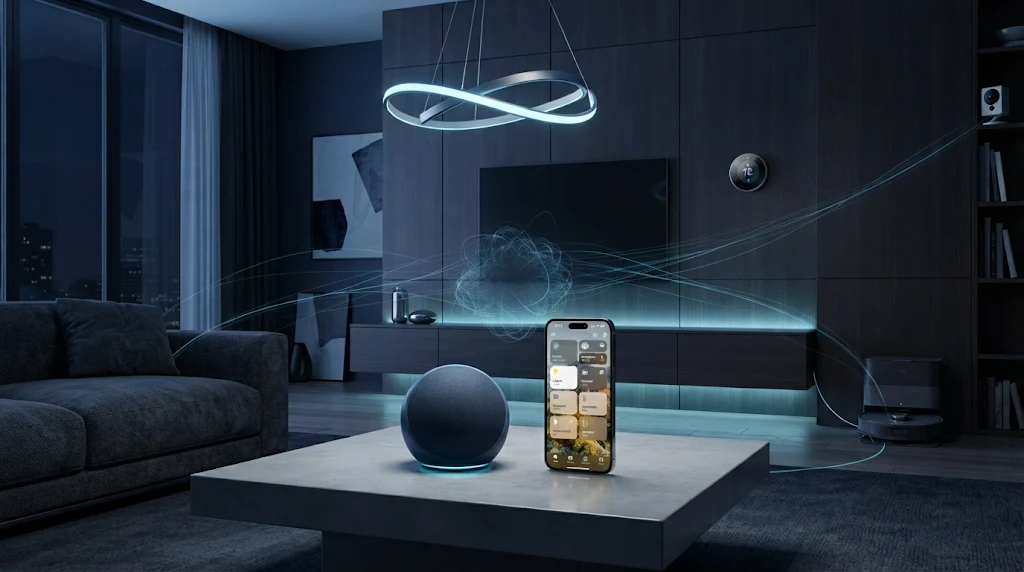
Smart home devices are designed to make everyday living more convenient, secure, and energy-efficient. From intelligent lighting systems to automated cleaning devices, these technologies can simplify many household tasks.
Whether you are planning to build a fully connected home or simply want to start with a few smart gadgets, choosing the right devices can make a noticeable difference.
In this guide, we explore 10 smart home devices worth knowing in 2026, explain how they work, and discuss how they can improve your everyday lifestyle.
What Is Smart Home Technology?
Smart home technology refers to electronic devices and systems that connect to the internet or communicate with one another to automate and control household functions.
Many smart home devices can be managed through:
- Smartphone applications
- Voice assistants
- Automated schedules
- Motion and environmental sensors
- Smart home hubs
For example, you can schedule your lights to turn on at sunset or receive a notification when a smart security camera detects movement.
The main goal is to make your home more connected, comfortable, and easier to manage.
1. Smart Speakers – Control Your Home with Your Voice
Smart speakers are among the most popular entry points into smart home technology.
Devices such as Amazon Echo and Google Nest speakers allow users to interact with voice assistants, play music, check the weather, set reminders, and control compatible smart home devices.
Instead of opening multiple applications, you can use simple voice commands to perform everyday tasks.
Key Benefits:
- Hands-free voice control
- Music and audio streaming
- Reminders and alarms
- Smart home device control
- Access to voice assistant features
Best For: People who want an easy way to start building a smart home.
2. Smart Lighting – Customize Your Home’s Atmosphere
Smart lighting allows you to control your home’s lights using a smartphone, voice assistant, or automated schedule.
Smart bulbs and lighting strips can often change brightness and color. You can create different lighting environments for working, relaxing, watching movies, or entertaining guests.
Some systems also support automation based on time, location, or other connected devices.
Key Benefits:
- Remote lighting control
- Adjustable brightness
- Color customization on supported models
- Scheduling and automation
- Convenient lighting management
Best For: Homeowners, renters, and people who enjoy personalized lighting.
3. Smart Security Cameras – Monitor Your Home Remotely
Home security is one of the most useful applications of smart technology.
Smart security cameras allow you to monitor your home through a mobile application. Depending on the model, they may provide motion detection, night vision, two-way audio, and cloud or local video storage.
Some cameras can also send alerts when they detect movement in selected areas.
Before purchasing, check the camera’s privacy controls, storage costs, data security, and whether it requires a subscription.
Key Benefits:
- Remote video monitoring
- Motion detection alerts
- Night vision on supported models
- Two-way communication
- Cloud or local storage options
Best For: Families, homeowners, and people who want additional home monitoring.
4. Smart Door Locks – Keyless Home Access
Smart door locks provide an alternative to traditional keys.
Depending on the model, users may unlock their doors through a smartphone, PIN code, fingerprint, or compatible smart home system.
Some smart locks also allow homeowners to create temporary access codes for guests or service providers.
However, compatibility with your existing door, lock type, and internet connection should be checked before buying.
Key Benefits:
- Keyless entry options
- Remote locking and unlocking on supported models
- Temporary access codes
- Access history on supported devices
- Integration with selected smart home systems
Best For: Homeowners who want convenient access management.
5. Smart Thermostats – Manage Indoor Temperature Efficiently
A smart thermostat helps you control your heating and cooling systems more conveniently.
Many models allow users to adjust temperature settings remotely and create schedules based on their daily routines.
Some advanced devices can learn usage patterns or use sensors to help manage indoor comfort.
Compatibility is important. Not every smart thermostat works with every heating or cooling system, so check the manufacturer’s requirements before purchasing.
Key Benefits:
- Remote temperature control
- Automated schedules
- Energy usage insights on supported models
- Smart home integration
- More convenient temperature management
Best For: Homes with compatible heating and cooling systems.
6. Robot Vacuum Cleaners – Automate Everyday Cleaning
Robot vacuum cleaners can reduce the time spent on routine floor cleaning.
Many modern models can navigate rooms, detect obstacles, and automatically return to their charging stations. Some advanced versions also support mapping, scheduled cleaning, and automatic dust collection.
You can often start or schedule cleaning through a smartphone application.
They may not replace every type of manual cleaning, but they can help keep floors cleaner with less daily effort.
Key Benefits:
- Automated floor cleaning
- Scheduled cleaning sessions
- Smart navigation on supported models
- Mobile app control
- Automatic charging
Best For: Busy professionals, families, and people with pets.
7. Smart Plugs – Make Traditional Devices Smarter
Smart plugs are among the simplest and most affordable ways to introduce automation into your home.
You plug a compatible electrical device into a smart plug and connect it to your home network. You can then control the plug using an application or compatible voice assistant.
For example, you might schedule a lamp to turn on in the evening or switch off a device remotely.
Always check the smart plug’s voltage, current rating, and appliance compatibility. Never exceed its rated electrical load.
Key Benefits:
- Remote power control
- Automated schedules
- Easy installation
- Voice assistant compatibility on supported models
- Useful for basic home automation
Best For: Beginners who want to start with affordable smart home devices.
8. Smart Doorbells – See Who Is at Your Door
Smart video doorbells combine a traditional doorbell with a connected camera.
When someone presses the doorbell or triggers its motion sensor, you may receive an alert on your smartphone. Many models also support live video and two-way audio.
This means you can communicate with visitors even when you are away from home.
Some devices require subscriptions for video recording or advanced detection features, so review the ongoing costs before purchasing.
Key Benefits:
- Live video monitoring
- Visitor notifications
- Two-way audio
- Motion detection
- Remote access through mobile applications
Best For: People who want more convenient entrance monitoring.
9. Smart Air Purifiers – Monitor and Improve Indoor Air Quality
Indoor air quality can affect comfort, especially in homes with dust, pets, or outdoor pollution.
Smart air purifiers use filters to capture certain airborne particles. Depending on the model, they may also monitor air quality and automatically adjust their operating speed.
Some devices provide air quality information through a mobile application.
When selecting an air purifier, consider its room coverage, filter replacement cost, noise level, and the types of particles it is designed to capture.
Key Benefits:
- Air filtration
- Air quality monitoring on supported models
- Automatic operating modes
- Mobile app control
- Filter replacement notifications on supported models
Best For: People who want to manage indoor air quality more conveniently.
10. Smart Sensors – Automate Your Home with Real-Time Alerts
Smart sensors help connected devices respond to changes in your environment.
There are several types of smart home sensors:
- Motion sensors detect movement.
- Door and window sensors detect when an entry point opens.
- Water leak sensors detect unwanted water.
- Temperature sensors monitor room conditions.
- Smoke and carbon monoxide alarms provide important safety alerts when properly designed and installed.
These sensors can trigger notifications or automation routines when connected to compatible systems.
For example, a water leak sensor may notify you when it detects moisture near a washing machine or sink.
Key Benefits:
- Real-time alerts
- Automated routines
- Monitoring of doors and windows
- Water leak detection
- Integration with compatible smart devices
Best For: Homeowners who want better monitoring and automation.
How to Build a Smart Home on a Budget
You do not need to purchase every smart device at once. Starting with a few useful products is often the best approach.
Here is a simple way to begin:
Step 1: Start with Smart Lighting
Smart bulbs are easy to install and provide an immediate introduction to home automation.
Step 2: Add a Smart Speaker
A compatible smart speaker can help you control multiple connected devices using voice commands.
Step 3: Install Smart Plugs
Use smart plugs to automate compatible lamps and other suitable electrical devices.
Step 4: Improve Home Security
Consider adding a smart camera, video doorbell, or door and window sensors based on your security needs.
Step 5: Expand Gradually
Once you understand how your devices work together, you can add more advanced products such as robot vacuum cleaners and smart thermostats.
Important Things to Consider Before Buying Smart Home Devices
Before purchasing any smart home product, consider the following factors.
1. Compatibility
Not every smart home device works with every platform. Check whether the device supports your preferred ecosystem, such as Amazon Alexa, Google Home, Apple Home, or Matter where applicable.
2. Internet Connection
Many smart devices depend on a stable internet connection. Some devices also require a compatible Wi-Fi frequency or a separate hub.
3. Privacy and Security
Smart devices may collect personal information or record activity inside your home.
Choose products from reputable manufacturers, use strong passwords, enable multi-factor authentication where available, and install firmware updates regularly.
4. Subscription Costs
Some smart cameras, doorbells, and other devices require paid subscriptions for advanced features or cloud storage.
Check the total long-term cost rather than focusing only on the initial purchase price.
5. Installation Requirements
Some devices are easy to install, while others require electrical work or compatibility checks. Follow manufacturer instructions and use a qualified professional when necessary.
Final Thoughts
Smart home technology is making everyday living more convenient by connecting household devices and automating routine tasks.
From smart speakers and lighting to security cameras and robot vacuum cleaners, there are many ways to improve your home with connected technology.
You do not need to transform your entire house into a smart home overnight. Start with devices that solve real problems in your daily routine, then expand your setup as your needs change.
The best smart home is not necessarily the one with the most devices. It is the one that makes your everyday life easier, safer, and more comfortable.
Frequently Asked Questions (FAQs)
1. What is the most useful smart home device?
Smart speakers, smart lighting, and smart security cameras are useful starting points. The best choice depends on your daily needs and priorities.
2. Do smart home devices need Wi-Fi?
Many smart home devices use Wi-Fi to connect to mobile applications and online services. However, some devices communicate through Bluetooth, Zigbee, Thread, or other supported technologies.
3. Are smart home devices expensive?
Not necessarily. Smart plugs and smart bulbs are often affordable entry-level options. More advanced products, such as security systems and robot vacuum cleaners, generally cost more.
4. Are smart home devices safe?
They can be safe when properly configured. Use strong passwords, enable available security features, update device software, and purchase products from reputable manufacturers.
5. Can I control smart home devices when I am away?
Many connected devices support remote control through smartphone applications, provided they have the required internet connection and account access.
6. What is Matter in smart home technology?
Matter is a smart home connectivity standard designed to improve compatibility between supported devices and ecosystems. It can make it easier for products from different manufacturers to work together.
7. How do I start building a smart home?
Start with one or two devices, such as a smart bulb and smart plug. Choose products that support the same ecosystem, then gradually add more devices as needed.